
Middlesex winters are known for their freezing temperatures and intense weather conditions, making a reliable heating system essential for comfort and safety. During these harsh months, an unexpected HVAC breakdown can be more than just an inconvenience—it can lead to increased energy bills, discomfort, and even safety risks for your household. That’s why it’s crucial to take preventive measures to keep your system running efficiently.
At Supreme Heating & Air Conditioning Inc., we believe that a proactive approach is the key to avoiding winter HVAC problems. By scheduling regular maintenance and making small adjustments, you can ensure your heating system performs optimally throughout the season. Let’s explore the essential tips to prevent HVAC breakdowns this winter.
1. Schedule a Professional HVAC Tune-Up
One of the most effective ways to prevent HVAC breakdowns during Middlesex’s harsh winter is by scheduling a professional tune-up. Before the temperatures drop, having a certified technician inspect and maintain your system ensures that all components are in optimal condition. Regular maintenance identifies potential issues early, preventing costly and inconvenient breakdowns when you need your system the most.
During a professional HVAC tune-up, our experts at Supreme Heating & Air Conditioning Inc. will perform several critical tasks, including:
- Inspecting and Cleaning Components: This includes the filters, burners, and heat exchangers to ensure no blockages or dirt reduce efficiency.
- Testing the Thermostat: Ensuring your thermostat reads and communicates temperatures accurately, so your system operates efficiently.
- Checking for Safety Hazards: We look for potential gas leaks, carbon monoxide risks, and other hazards that could compromise your safety.
- Lubricating Moving Parts: Reducing friction helps parts work smoothly, extending their lifespan and improving system efficiency.
By scheduling an annual tune-up through our residential heating maintenance services, you can rest assured that your HVAC system is ready to handle whatever winter throws its way.
2. Replace or Clean Air Filters Regularly
Air filters play a critical role in your HVAC system’s efficiency and longevity, especially during the winter months when your system works harder to keep your home warm. Dirty or clogged filters restrict airflow, causing your heating system to work overtime, which can lead to overheating and eventually a breakdown. Keeping filters clean or replacing them regularly is a simple yet effective way to prevent this.
Here’s how you can stay on top of your air filter maintenance:
- Check Filters Monthly: During the winter, inspect your HVAC filters at least once a month. If they appear dirty or clogged, it’s time for a replacement.
- Replace Every 1-3 Months: Depending on the type of filter and how often your system runs, aim to replace filters every 1-3 months. Homes with pets or residents who have allergies may benefit from replacing them more frequently.
- Choose High-Efficiency Filters: Consider upgrading to high-efficiency filters that capture more particles, improving both your system’s performance and indoor air quality.
By regularly maintaining your air filters, you reduce strain on your HVAC system and enhance its efficiency, helping to avoid potential breakdowns. For assistance or professional filter replacement, check out our residential heating services.
3. Seal Leaks in Ductwork and Around Windows & Doors
Air leaks in your ductwork or around windows and doors can significantly impact your HVAC system’s performance, especially during Middlesex’s cold winters. These leaks allow warm air to escape and cold air to enter, forcing your heating system to work harder to maintain a comfortable indoor temperature. Sealing these leaks not only improves your system’s efficiency but also helps lower your energy bills and extend your HVAC’s lifespan.
Here’s what you can do to minimize heat loss:
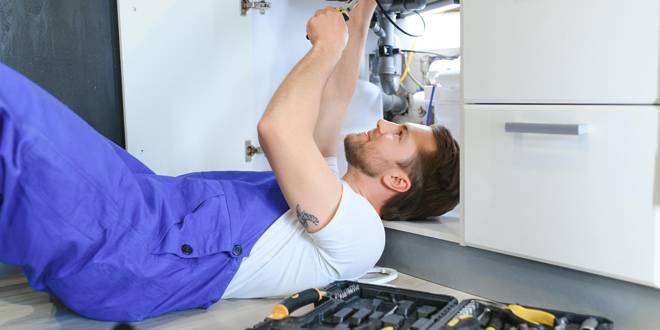
- Inspect Ductwork for Leaks: Have a professional inspect your duct system for any gaps, holes, or loose connections. Properly sealing these leaks with high-quality duct sealant can prevent energy loss and improve airflow. Our residential heating repair services offer thorough inspections to identify and fix such issues.
- Seal Windows and Doors: Use weather stripping and caulking to seal any gaps around windows and doors. These simple fixes are cost-effective and can make a noticeable difference in indoor comfort.
- Insulate Ductwork: In addition to sealing, insulating your ductwork in unheated spaces like attics or basements can reduce heat loss and boost system efficiency.
By addressing these common sources of heat loss, you can ensure your HVAC system operates efficiently throughout winter. For professional help with duct sealing or other maintenance services, visit our residential heating maintenance page.
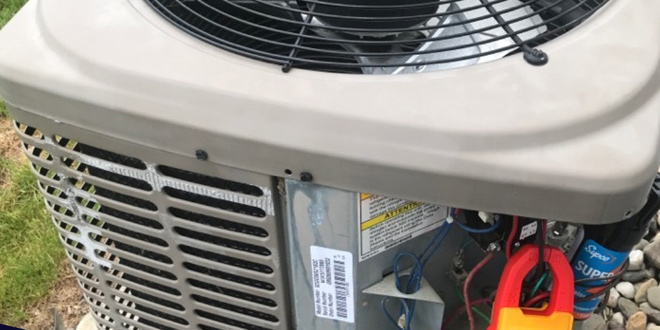
4. Keep Your Outdoor Unit Clear of Snow and Debris
If your home relies on a heat pump system, maintaining the outdoor unit is crucial during winter. Snow, ice, and debris can obstruct airflow, leading to reduced efficiency or even causing your system to shut down. Proper maintenance of the outdoor unit ensures that your heat pump operates efficiently and minimizes the risk of breakdowns.
Here’s how to keep your outdoor unit in top shape:
- Clear Snow and Ice Buildup: After each snowfall, check your outdoor unit for any snow or ice accumulation. Gently clear it away with a brush or broom to avoid damaging the fins and coils.
- Maintain Proper Clearance: Ensure that there’s at least two feet of clearance around the unit. Trim back shrubs and vegetation, and keep the area free of leaves and other debris to allow for adequate airflow.
- Protect the Unit: Consider placing a cover over your outdoor unit when heavy snow is expected. Make sure it’s designed for heat pumps so that airflow is still possible.
Regularly monitoring and maintaining your outdoor unit not only prevents malfunctions but also helps your HVAC system maintain peak efficiency. For professional assistance, check out our heating repair services and commercial HVAC services to ensure your system is winter-ready.
5. Test and Upgrade Your Thermostat If Needed
A properly functioning thermostat is vital for maintaining comfortable temperatures during the winter. If your thermostat is inaccurate or outdated, it could lead to inefficient heating, causing your HVAC system to work harder than necessary and increasing the risk of breakdowns. Testing and possibly upgrading your thermostat ensures your system runs efficiently and keeps your home warm.
Here’s what you can do to optimize your thermostat’s performance:
- Test Your Thermostat: Check your thermostat’s settings and compare its readings with the actual temperature in your home. If the numbers don’t match, recalibrate or replace the thermostat to ensure accurate communication with your HVAC system.
- Upgrade to a Programmable or Smart Thermostat: Upgrading to a programmable thermostat can help you set heating schedules based on your daily routine, reducing strain on your system. Smart thermostats take this a step further by learning your habits and adjusting settings automatically, helping you save energy and avoid overworking your system. Explore our heating installation services if you’re interested in upgrading your thermostat.
- Place Your Thermostat Properly: Ensure your thermostat is located in an area where it can accurately gauge the temperature, away from drafts, direct sunlight, or heat sources.
By testing and optimizing your thermostat, you’ll not only improve comfort but also reduce energy usage, helping your HVAC system function efficiently throughout winter.
6. Monitor Your Energy Bills for Unusual Spikes
An unexpected spike in your energy bills can be an early warning sign that your HVAC system isn’t running efficiently. During the winter, your system naturally works harder to maintain comfortable temperatures, but sudden increases in energy consumption often indicate that your system may have an issue that needs attention.
Here’s how to use your energy bills as a diagnostic tool:
- Track Monthly Usage: Compare your monthly energy bills to those from the previous year or season. If you notice a significant increase without any changes in your home’s heating habits, it could indicate that your system is struggling.
- Inspect for Common Issues: Higher bills could result from various factors, such as dirty air filters, leaky ductwork, or a malfunctioning thermostat. If you notice a spike, inspect these areas first or schedule a professional inspection.
- Schedule an HVAC Assessment: If your energy bills continue to rise despite basic maintenance, it might be time for a professional evaluation. Our team offers comprehensive heating repair services to identify and resolve issues that could be impacting your system’s efficiency.
By monitoring your energy bills and addressing any anomalies quickly, you can catch and fix issues before they lead to a breakdown. For assistance, our residential heating maintenance services are here to keep your system in top shape.

Conclusion
Preparing your HVAC system for Middlesex’s harsh winters is essential to keep your home warm, comfortable, and safe. By taking proactive measures—such as scheduling a professional tune-up, regularly replacing air filters, sealing leaks, maintaining the outdoor unit, testing your thermostat, and monitoring energy bills—you can prevent unexpected breakdowns and ensure your system operates efficiently all season long.
At Supreme Heating & Air Conditioning Inc., we are committed to helping you winter-proof your home. Whether you need a routine maintenance check, an upgrade to a smart thermostat, or a comprehensive inspection, our residential heating services and commercial HVAC solutions are designed to meet your needs. Don’t wait until the cold sets in—contact us today to schedule your HVAC service and ensure a warm, worry-free winter.