

A rattling noise from your air conditioner can be frustrating and unsettling, especially during those sweltering summer months. This noise can indicate a range of issues that require attention. Whether your AC is a critical part of your home comfort system or a necessary feature of your business, understanding why these noises occur and how to address them can help you avoid costly repairs and ensure your space stays cool and comfortable.
In this blog, we will explore the potential causes of rattling noises in air conditioners, offer solutions to address these issues, and highlight the importance of regular maintenance. Our goal is to provide you with the information you need to keep your AC unit running smoothly and efficiently.
Key Points Covered
- Common causes of rattling noises in air conditioners
- Steps to troubleshoot and resolve the noise issue
- The importance of professional maintenance and repair services
- A glossary of key terms related to AC systems
- Fun facts about air conditioning
- Frequently asked questions about AC noise
Glossary of Terms
- Compressor: The component of the AC that compresses refrigerant and raises its pressure before sending it to the condenser.
- Condenser: Part of the AC system that cools and condenses refrigerant from gas to liquid.
- Evaporator Coil: The part of the AC system that absorbs heat from indoor air.
- Refrigerant: A chemical used in AC systems to absorb heat and provide cooling.
- Thermostat: A device that controls the temperature setting of your AC system.
Common Causes of Rattling Noises in Air Conditioners
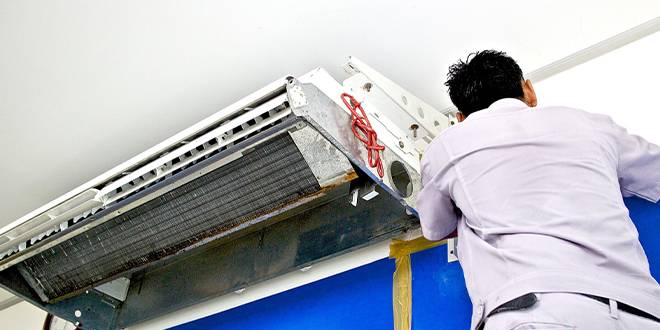
A rattling sound in your air conditioning unit can be alarming, but it’s often a sign of something that can be fixed relatively easily. Here are some of the most common reasons for a rattling noise and what you can do about them:
1. Loose Screws or Panels
Explanation: Over time, the constant operation of your air conditioning unit causes vibrations that can loosen screws and panels. This is particularly common in older units or those that have not been regularly serviced. The rattling noise you hear is often the result of these loose components vibrating against each other or the main body of the unit.
Solution:
- Inspection: Begin by visually inspecting the exterior of the AC unit. Check all screws, nuts, and bolts on the access panels and casing.
- Tightening: Use a screwdriver or wrench to tighten any loose screws or fasteners you find. Make sure all panels are securely attached to the unit.
- Regular Checks: Perform regular checks and maintenance to ensure that all components remain tight and secure over time.
2. Debris in the Unit
Explanation: Outdoor AC units are exposed to the elements, which means they can easily accumulate debris like leaves, twigs, and small stones. When these items get lodged in the fan or other moving parts of the unit, they can cause a rattling noise as they interfere with the operation of the AC.
Solution:
- Power Off: Always start by turning off the power to the unit to ensure safety while cleaning.
- Debris Removal: Carefully open the unit and remove any visible debris. Pay special attention to the fan blades and surrounding areas.
- Preventive Measures: Trim nearby vegetation and regularly clear the area around your AC unit to minimize debris accumulation. Consider using a cover for your unit during the off-season.
3. Faulty Fan Blades
Explanation: The fan blades in an air conditioner can become bent, misaligned, or damaged due to debris impact, manufacturing defects, or general wear and tear. When this happens, the blades may hit other components or the housing of the unit, producing a rattling sound.
Solution:
- Visual Inspection: Turn off the power and inspect the fan blades for any signs of bending or damage.
- Alignment and Repair: If the blades are misaligned, gently adjust them back into place. For more severe damage, it may be necessary to replace the blades entirely.
- Professional Help: If you are unsure about how to handle the blades, contact a professional for repair or replacement services. They can ensure the fan is balanced and functioning correctly.
4. Loose or Damaged Ductwork
Explanation: Rattling noises can also originate from the ductwork connected to your air conditioning system. If the ducts are loose, damaged, or improperly installed, they can vibrate and produce noise when the system is running. This issue is more common in older homes or installations that were not done correctly.
Solution:
- Duct Inspection: Examine the ductwork for any loose sections, holes, or damage. Pay attention to joints and connections where vibrations are most likely to occur.
- Securing Ducts: Use duct tape, brackets, or straps to secure any loose sections of ductwork. Seal any gaps or leaks to improve efficiency and reduce noise.
- Professional Assessment: Consider hiring a professional to conduct a thorough assessment of your ductwork. They can provide repairs or suggest upgrades to improve the system’s performance and reduce noise.
5. Worn or Failing Components
Explanation: Over time, various components within your air conditioning unit, such as motors, bearings, and belts, can wear out or fail. These parts are critical for the smooth operation of the unit, and their failure can result in rattling noises, decreased efficiency, and even system breakdowns.
Solution:
- Listen for Clues: Pay attention to changes in noise patterns that may indicate specific failing components.
- Schedule Maintenance: Regularly schedule maintenance with a professional to check and replace worn-out parts. This proactive approach can prevent unexpected failures and prolong the life of your AC unit.
- Replace Parts: If a specific component is identified as the source of the noise, have it repaired or replaced by a qualified technician. They can ensure the replacement part is properly installed and compatible with your system.
For comprehensive AC maintenance and repair services, visit our residential cooling repair page for more information.
Noise Levels in Air Conditioners
| Noise Level (dB) | Description | Action Needed |
| 25-35 dB | Normal operation (similar to rustling leaves) | No action needed |
| 35-50 dB | Slightly louder but not disruptive | Regular maintenance check |
| 50-70 dB | Noticeable and potentially disruptive | Inspect for loose parts or debris |
| 70+ dB | Loud, disruptive, possible malfunction | Professional inspection and repair recommended |
Fun Facts About Air Conditioning ????️
- Early Beginnings: The concept of air conditioning dates back to ancient Egypt, where reeds were hung in windows and moistened with trickling water to cool indoor air through evaporation.
- Popularity Boom: Air conditioning became a staple in American homes in the 1960s, drastically changing architecture and living conditions.
- Increased Productivity: Studies show that air conditioning can significantly increase productivity in workplaces by providing a comfortable environment.
- Movie Magic: Air conditioning played a crucial role in the success of movie theaters, as people flocked to them during hot summers to enjoy the cool air.
- Eco-Friendly Options: Modern advancements have led to eco-friendly and energy-efficient air conditioning systems that reduce environmental impact.
Frequently Asked Questions
1. Is it safe to run my AC if it’s making a rattling noise?
It’s best to turn off your AC unit if you notice a rattling noise and have it inspected by a professional to prevent further damage.
2. Can I fix a rattling noise myself?
Simple issues like loose screws or debris can be fixed by homeowners. However, more complex issues should be handled by a professional.
3. How often should I schedule AC maintenance?
It’s recommended to schedule AC maintenance at least once a year to ensure optimal performance and catch potential issues early.
4. What is the most common cause of rattling in AC units?
Loose screws and debris are among the most common causes of rattling noises in air conditioners.
5. Can regular maintenance prevent rattling noises?
Yes, regular maintenance can help identify and address potential issues before they become serious problems, reducing the likelihood of rattling noises.
Do You Need AC Repair or Maintenance? Take This Quiz! ????
Yes or No Questions:
- Is your AC making a persistent rattling noise?
- Have you noticed any decrease in cooling efficiency?
- Is your energy bill higher than usual?
- Have you experienced frequent AC shutdowns or restarts?
- Is your AC unit more than five years old?
If you answered “Yes” to any of these questions, it might be time to consult with a professional for a maintenance check or repair. Learn more about our AC maintenance services to keep your unit in top condition.
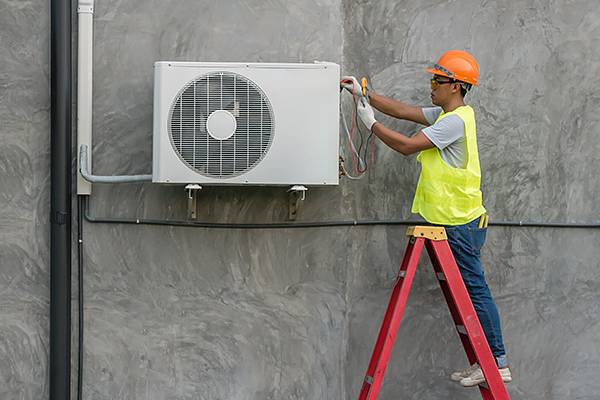
Ensuring Quiet Comfort with Supreme Heating & Air Conditioning
If your air conditioner is making a rattling noise, addressing the issue promptly can prevent further damage and ensure your system operates efficiently. Supreme Heating & Air Conditioning offers expert AC repair and maintenance services to help you keep your home or business comfortable all year round. Visit our residential cooling services page to learn more about our offerings. For any questions or to schedule a service, please don’t hesitate to contact us. We’re here to help you with all your heating and cooling needs.