
It’s a sweltering summer afternoon in New Jersey, and you notice one room feels like a cozy cave while another feels like an industrial walk-in freezer. Buffeting between hot and cold spots in your home isn’t just uncomfortable—it can also mean higher energy bills, wear on your system, and frustrated family members. Let’s explore the most common reasons your air conditioner isn’t keeping things evenly chilled—and what you can do about it.
1. Dirty or Clogged Air Filters
When air filters get clogged with dust, pet hair, and debris, airflow becomes restricted. Your AC unit works harder to push air through, and some rooms—usually those farthest from the unit or at the end of a duct run—may receive much less cold air, making the cooling uneven.
Solution: Replace or clean your filters every 30–90 days depending on usage, pets, and indoor air quality. Regular filter changes are one of the easiest and most effective ways to improve performance.
2. Blocked or Leaky Ductwork
Air ducts that are blocked—by insulation, pests, or accidental damage—or that have leaks can reduce airflow or divert cool air into uninsulated spaces, like attics or crawl spaces.
Solution: Have a qualified technician inspect your ductwork. Leaks can often be sealed with mastic or mesh-and-metal tape, and blocked sections can be cleared or repaired. Once your duct system is intact, cool air will be distributed more evenly.
3. Poorly Balanced or Closed Vents
Sometimes the culprit is as simple as closed or obstructed vents. Furniture, curtains, or even vacuum attachments can accidentally block them. Also, forced cooling systems can become “unbalanced” if dampers—adjustable plates in ductwork—are misconfigured.
Solution: Ensure all vents are open and clear. Consider hiring a professional to perform a balancing check—adjusting dampers to fine-tune airflow to each room can make a big difference.
4. Inadequate Insulation or Leaky Windows & Doors
If one room feels hotter than another, especially on the sunniest side of your house—or closer to an exterior wall—chances are insulation or air sealing is lacking. Heat gain through poorly insulated walls, ceilings, windows, or doors can overpower your AC.
Solution: Consider sealing gaps with weatherstripping or caulk, adding or upgrading insulation, and installing energy-efficient windows. Even simple window treatments, like blackout curtains or cellular shades, can help reduce solar heat gain.
5. Undersized or Aging HVAC System
If your air conditioner is too small for your home, especially during peak summer loads, it may never deliver enough cool air evenly. Similarly, older systems lose efficiency over time, reducing performance.
Solution: A load calculation by an HVAC professional can determine if your system is correctly sized. If it’s undersized or reaching the end of its lifespan, the solution may involve upgrading or supplementing your current system—for example, with a ductless mini‑split in problem areas.
6. Thermostat Placement or Malfunction
If your thermostat is located near a heat source—like a sunny window, kitchen, or lamp—it might register your home as warmer than it actually is, causing the system to run incorrectly. Faulty thermostats or wiring can also lead to inaccurate readings.
Solution: Relocate the thermostat to a central, shaded wall away from direct sunlight and heat-producing appliances. If the thermostat is old or erratic, consider replacing it. Smart thermostats can also help by learning your home’s temperature patterns and adjusting accordingly.
7. Indoor Air Circulation Issues
Even with a perfectly functional AC, poor circulation inside the home can create hot and cold zones. Closed doors, cramped layouts, or blocked hallways limit airflow from room to room.
Solution: Keep interior doors open when cooling is on. Use ceiling or oscillating fans to help circulate cool air. In larger homes, you might consider adding return vents or a transfer grille to promote better airflow between rooms.
8. Refrigerant Charge or Coil Problems
If your AC’s refrigerant is low—even slightly—it can’t effectively absorb heat, resulting in poor cooling performance. Dirty or frozen coils also hinder heat transfer and reduce efficiency.
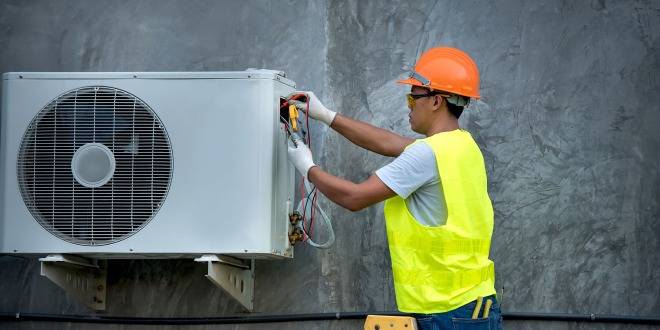
Solution: Schedule a licensed technician to check refrigerant levels and inspect the coils. A proper recharge and cleaning can restore airflow and cooling capacity while optimizing energy efficiency.
Keeping Cool the Smart Way
To ensure even cooling throughout your New Jersey home, keep these practical steps in mind:
- Replace air filters every 1–3 months.
- Get your ductwork inspected and sealed annually.
- Keep all vents open and unobstructed.
- Boost insulation and seal windows or doors as needed.
- Ensure your system is appropriately sized—and upgrade if necessary.
- Install your thermostat wisely and test it regularly.
- Use fans and interior ventilation enhancements.
- Maintain refrigerant levels and clean coils with professional care.
When uneven cooling persists despite these steps, it’s time to call in professional help. At Supreme Heating & Air Conditioning, our NATE-certified technicians have over 35 years of experience diagnosing and solving uneven cooling issues throughout New Jersey. As a York Diamond Dealer and Mitsubishi Diamond Contractor, we offer expert service, emergency support, and help you maximize rebates and energy savings—all backed by our BBB A+ rating and glowing customer reviews.
Take Control of Your Comfort
Getting rid of hot and cold spots isn’t just about comfort—it’s about smart energy savings and preserving your HVAC system. By tackling simple fixes like filters, vents, and insulation, you could see immediate results. And when it’s time for advanced diagnostics or upgrades, Supreme is ready to deliver fast, reliable, and trustworthy service. Stay cool, New Jersey—your most comfortable summer awaits!