
As the days grow shorter and the temperatures drop, your HVAC system becomes the unsung hero of your home. Ensuring your heating system is ready for winter isn’t just a matter of comfort—it’s a critical step to keeping your home safe, energy-efficient, and prepared for the challenges of colder weather. This guide dives deep into preparing your HVAC system for winter, offering actionable steps, fun facts, FAQs, and even a quiz to ensure your system is up to the task.
Glossary of Terms
- HVAC: Heating, Ventilation, and Air Conditioning system that regulates indoor climate and air quality.
- Furnace: A key component of your HVAC system responsible for generating and distributing heat.
- Air Filter: A replaceable part that traps dust and debris to maintain airflow and indoor air quality.
- Thermostat: A device that controls and monitors your home’s heating and cooling settings.
- Heat Exchanger: The part of the furnace that transfers heat from combustion gasses to the air.
- Ductwork: A system of ducts that distributes heated air throughout your home.
- Insulation: Material that prevents heat loss and improves energy efficiency in your home.
- Carbon Monoxide Detector: A safety device that alerts you to the presence of this potentially deadly gas.
- Winterization: The process of preparing your home and systems for colder weather.
- Heat Pump: An HVAC system that transfers heat between your home and the outside air, functioning for both heating and cooling.
Why Prepare Your HVAC System for Winter?
Winterizing your HVAC system ensures:
- Consistent Comfort: Avoid cold spots, uneven heating, and system inefficiencies.
- Energy Efficiency: Reduce your heating bills by up to 30% with proper preparation.
- Safety: Protect your family from potential hazards like carbon monoxide leaks or electrical issues.
- System Longevity: Regular care helps extend the life of your HVAC equipment.
Signs Your HVAC System Needs Winter Prep
Not sure if your system is ready for winter? Look out for these signs:
- Inconsistent heating across rooms.
- Higher-than-normal energy bills.
- Unusual noises from your system, like banging or whistling.
- Dusty or musty smells when the system runs.
- Long heating cycles or frequent on-and-off cycling.
If you’re experiencing any of these issues, your system may need attention. Check out our heating repair services for professional help.
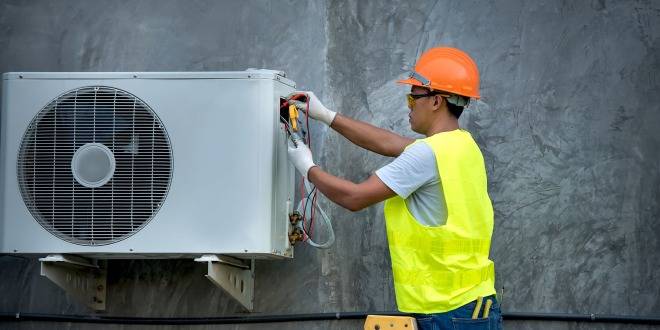
Step-by-Step Guide to Preparing Your HVAC System for Winter
1. Replace or Clean Air Filters
Dirty air filters restrict airflow, making your system work harder. Replacing filters every 1–3 months is one of the simplest ways to maintain efficiency.
2. Inspect Ductwork for Leaks
Leaky ducts can waste up to 30% of your system’s heated air. Seal gaps and holes with mastic or metal-backed tape to improve efficiency and heating performance.
3. Test the Thermostat
Switch your thermostat to heat mode and check its response. If it’s outdated, consider upgrading to a programmable or smart thermostat to optimize energy savings.
4. Schedule Professional Maintenance
A professional inspection ensures that critical components like the heat exchanger, burners, and blower motor are in top shape. Visit our heating maintenance page for more details.
5. Check Insulation Levels
Insufficient insulation forces your HVAC system to work harder. Add insulation to your attic and seal gaps around doors and windows to keep warm air in and cold air out.
6. Clear the Furnace Area
Keep at least three feet of clearance around the furnace. This improves airflow and reduces fire hazards.
7. Test and Replace Carbon Monoxide Detectors
If you have a gas furnace, a carbon monoxide detector is a must. Test your devices monthly and replace batteries yearly.
8. Winterize Outdoor Units
For heat pumps, clear debris from the outdoor unit, trim vegetation, and consider a weatherproof cover to prevent ice damage.
9. Review Your Energy Usage
Use your utility bills to compare current energy usage with past winters. Significant increases may signal inefficiencies in your system.
10. Emergency Preparedness
Stock up on space heaters, extra blankets, and emergency supplies in case your HVAC system fails during severe weather.
📊 HVAC Winter Prep at a Glance: Tasks, Costs, and Benefits
| Task | Average Cost | Key Benefits |
| Replace Air Filters | $10–$30 | Improved airflow and air quality |
| Ductwork Inspection and Sealing | $300–$600 | Enhanced energy efficiency and heat delivery |
| Thermostat Upgrade | $100–$300 | Better control and energy savings |
| Professional Maintenance | $80–$150 | Prevents costly repairs and boosts efficiency |
| Insulation Improvements | $500–$2,000 | Consistent warmth, lower heating bills |
Simple maintenance can save you thousands in long-term repair costs. Explore our full range of residential heating services to stay ahead of winter challenges.
Additional Tips for Winter Comfort
- Reverse Ceiling Fans: Run ceiling fans clockwise at a low speed to push warm air down.
- Close Fireplace Dampers: When not in use, close your fireplace damper to prevent heat from escaping.
- Use Window Coverings: Heavy curtains or thermal blinds can block drafts and retain heat.
- Program Your Thermostat: Set it to lower the temperature while you’re sleeping or away to save energy.
Fun Facts About HVAC Systems 🌟
- The concept of central heating dates back to the Ancient Romans, who used hypocaust systems to heat their homes.
- Dirty air filters are the leading cause of HVAC system breakdowns.
- A smart thermostat can reduce heating costs by up to 20% annually.
- Modern furnaces can achieve an efficiency rating of 98%, making them highly energy-efficient.
- Proper insulation and weatherproofing can reduce energy consumption by up to 30%.
Is Your HVAC System Winter-Ready? Take This Quiz
Answer Yes or No to the following questions:
- Have you replaced your air filter in the last three months?
- Have you scheduled a professional HVAC inspection this year?
- Is your home’s insulation adequate to prevent heat loss?
- Are your carbon monoxide detectors working properly?
- Does your thermostat respond accurately and reliably?
If you answered “No” to any of these questions, it may be time to contact us for professional assistance.
FAQs About Winter HVAC Preparation
Q1. How often should I replace my air filter in winter?
Replace your filter every 1–3 months, or more frequently if you have pets or allergies.
Q2. Can I winterize my HVAC system myself?
You can handle basic tasks like filter replacement and cleaning around the furnace, but a professional tune-up ensures your system is fully optimized.
Q3. How do I know if my insulation is sufficient?
Check your attic insulation levels—if you can see joists, you likely need more insulation.
Q4. Is it worth upgrading to a smart thermostat?
Yes! Smart thermostats adapt to your schedule and reduce energy waste, offering significant savings over time.
Q5. What’s the ideal thermostat setting for winter?
68°F is optimal for energy efficiency while you’re home. Lower it by 7–10°F when you’re asleep or away.
Stay Cozy with Supreme Heating & Air Conditioning
Preparing your HVAC system for winter ensures your home stays warm, safe, and energy-efficient during the colder months. Supreme Heating & Air Conditioning offers expert maintenance, repairs, and system upgrades to keep your HVAC system running at its best.
Visit our heating maintenance page to schedule a tune-up, or contact us today to discuss your winter HVAC needs. Let’s keep your home cozy all season long!