
Your thermostat is the control center of your home’s heating system, and any problems with it can leave you in the cold—literally. As temperatures drop, ensuring your thermostat is functioning properly is essential for maintaining a warm, comfortable, and energy-efficient home. In this guide, we’ll explore common thermostat issues, how to avoid them, and the steps to take if problems arise.
Glossary of Terms
- Thermostat: A device that controls and regulates the temperature in your home by communicating with your heating system.
- HVAC: Heating, Ventilation, and Air Conditioning system that maintains indoor comfort.
- Programmable Thermostat: A thermostat that allows users to set heating schedules to optimize energy efficiency.
- Smart Thermostat: A thermostat that connects to Wi-Fi and allows remote control and automation of temperature settings.
- Calibration: The process of ensuring a thermostat accurately measures and controls the temperature.
- Temperature Swing: Variations in temperature that occur when a thermostat struggles to maintain a consistent setting.
- Dead Batteries: A common cause of thermostat failure in battery-powered devices.
- Zoning System: A system that divides a home into different areas, each with its own temperature control.
- Heat Anticipator: A component in older thermostats that prevents temperature overshooting.
- Setback Temperature: The lower temperature setting used during times when the home is unoccupied or occupants are asleep.
Why Thermostat Maintenance is Essential in Winter
Your thermostat is critical to maintaining comfort and energy efficiency during winter. Here’s why maintaining it is so important:
- Ensures Consistent Comfort: A properly functioning thermostat prevents uneven heating and temperature swings.
- Saves Energy: Accurate thermostat settings reduce unnecessary energy usage, cutting down on heating bills.
- Prevents System Overwork: A faulty thermostat can cause your HVAC system to run continuously, increasing wear and tear.
- Avoids Emergency Repairs: Addressing thermostat issues early reduces the risk of system breakdowns in the middle of winter.
Learn more about proactive heating maintenance to keep your thermostat and heating system in top shape.
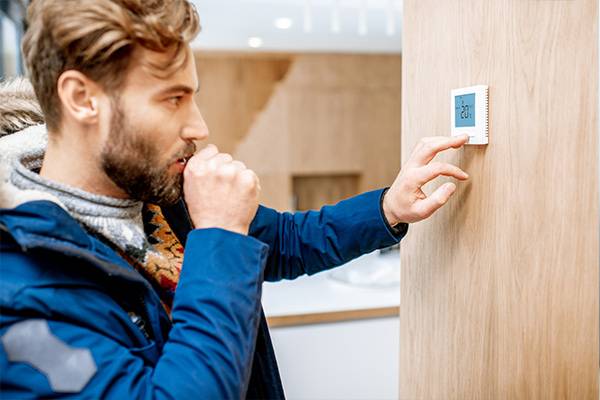
Common Thermostat Issues in Winter and How to Avoid Them
1. Incorrect Temperature Readings
Cause: Thermostat placed near heat sources, drafts, or direct sunlight.
Solution: Relocate the thermostat to a central location away from temperature-influencing factors.
2. Unresponsive Thermostat
Cause: Dead batteries or faulty wiring.
Solution: Replace batteries and inspect wiring connections for wear or damage.
3. Thermostat Not Communicating with HVAC System
Cause: Wiring problems, power issues, or outdated models.
Solution: Have a professional inspect the wiring and consider upgrading to a programmable or smart thermostat.
4. Poor Calibration
Cause: Older thermostats may lose calibration over time.
Solution: Recalibrate the thermostat or replace it with a newer model.
5. System Runs Continuously or Not at All
Cause: Thermostat settings, short cycling, or faulty components.
Solution: Verify settings, check the HVAC system, and call for professional assistance if the issue persists.
Explore our heating repair services to address any thermostat or heating issues promptly.
📊 Comparing Thermostat Options for Winter Comfort
| Thermostat Type | Features | Ideal For | Average Cost |
| Manual | Basic temperature control | Simple setups and low budgets | $20–$50 |
| Programmable | Scheduling options for energy savings | Homes with consistent schedules | $50–$150 |
| Smart | Wi-Fi enabled, remote access, and energy reports | Tech-savvy users and energy-conscious households | $150–$300 |
Upgrading to a programmable or smart thermostat can enhance comfort and reduce energy costs. Visit our residential heating services page to learn more about options for your home.
Tips to Prevent Thermostat Problems This Winter
- Replace Batteries Regularly: Avoid unexpected failures by replacing batteries at the start of the heating season.
- Clean the Thermostat: Dust and debris can interfere with internal components. Gently clean with a soft cloth.
- Upgrade When Needed: Older thermostats are more prone to issues. Consider investing in a newer model for better efficiency.
- Use Proper Settings: Set your thermostat to 68°F while at home and lower it when away or sleeping.
- Schedule Regular Maintenance: Include thermostat checks during routine HVAC tune-ups.
Why Choose Us for Your Heating Needs?
At Supreme Heating & Air Conditioning, we prioritize your comfort and satisfaction. Here’s why we’re the go-to choice for thermostat maintenance and repair:
- Expert Technicians: Our certified professionals have extensive experience with all types of thermostats.
- Comprehensive Services: From thermostat troubleshooting to complete HVAC system maintenance, we’ve got you covered.
- Customer-Centric Approach: Your comfort and safety are our top priorities.
- Transparent Pricing: No hidden fees—just honest, upfront quotes for exceptional service.
- Advanced Solutions: We recommend and install the latest thermostat models to optimize your system.
If you’re experiencing thermostat issues, contact us today for fast and reliable service.
Fun Facts About Thermostats 🌟
- The first electric thermostat was invented in 1883 by Warren S. Johnson, transforming home heating.
- Smart thermostats can save up to 20% on energy bills annually.
- Thermostats used to be mercury-based, but modern models are mercury-free and safer for the environment.
- Setting your thermostat 1°F lower can save about 3% on heating costs.
- Zoning systems allow thermostats to control different areas of your home independently for maximum comfort.
Do You Need Thermostat Assistance? Take This Quiz!
Answer Yes or No to the following questions:
- Does your thermostat frequently display incorrect temperatures?
- Is your HVAC system running more often than usual or not at all?
- Do you experience uneven heating throughout your home?
- Has your thermostat not been inspected or replaced in over five years?
- Are you unsure about programming or optimizing your thermostat settings?
If you answered “Yes” to any of these questions, your thermostat may need professional attention. Contact us today to schedule a service call.
FAQs About Thermostats and Winter Heating
Q1. How often should I replace my thermostat?
A: Most thermostats last 10–15 years, but upgrading sooner can improve efficiency and convenience.
Q2. What’s the best thermostat setting for winter?
A: The Department of Energy recommends 68°F while you’re home and lower temperatures when sleeping or away.
Q3. How can I tell if my thermostat is bad?
A: Signs include unresponsive controls, incorrect temperature readings, and constant cycling of your HVAC system.
Q4. Are smart thermostats worth the investment?
A: Yes, they offer remote control, energy savings, and advanced scheduling features that can lower heating bills.
Q5. Can thermostat placement affect performance?
A: Absolutely! Placing it near heat sources, drafts, or in direct sunlight can lead to inaccurate readings and uneven heating.
Stay Comfortable with Supreme Heating & Air Conditioning
Don’t let thermostat issues disrupt your winter comfort! With Supreme Heating & Air Conditioning, you can count on expert service, maintenance, and solutions to keep your home cozy and energy-efficient all season long. Whether you need a repair, upgrade, or routine check-up, our team is here to help.
Visit our heating maintenance page or contact us today to schedule your service. Let us keep your heating system running smoothly this winter!